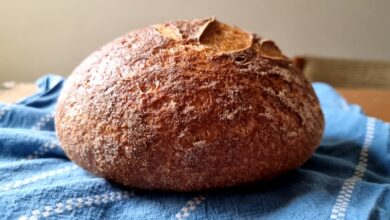
Finding the best gluten-free bread can feel like a never-ending quest. With so many options available, it’s tough to know which loaf will actually satisfy your cravings and make a tasty sandwich. As someone who’s been navigating the gluten-free world for years, I’m here to help you find your perfect slice!
Gluten-free bread has come a long way. Gone are the days of dry, crumbly, and tasteless options being the only choices. Today, you can find breads that are soft, flavorful, and even resemble “real” bread in texture and taste. Let’s explore what to look for and some top contenders.
What Makes a Good Gluten-Free Bread?
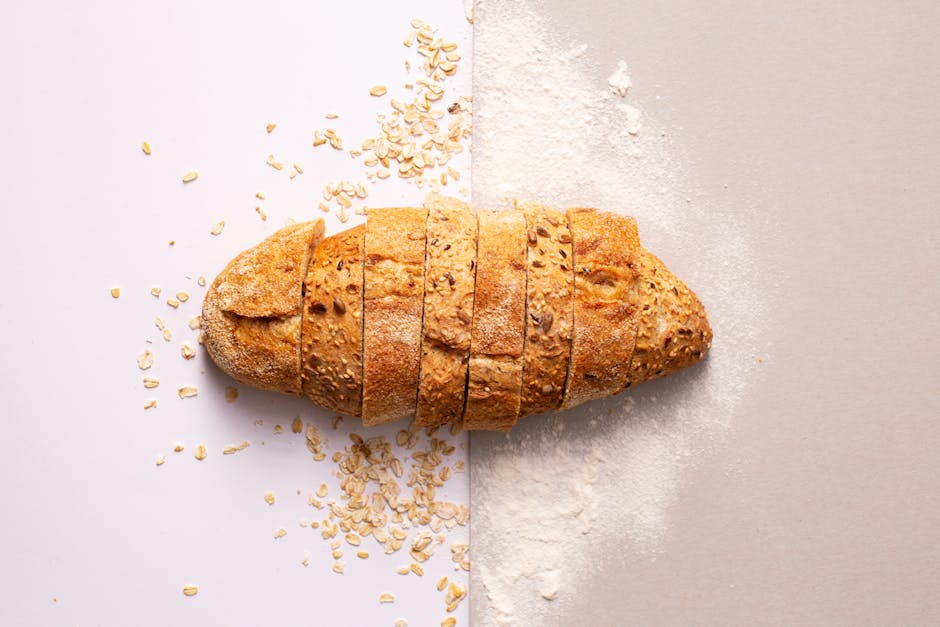
Before diving into specific brands, let’s discuss what qualities make for truly great gluten-free bread. Consider these factors:
* **Texture:** Nobody wants a gritty or crumbly mess. A good gluten-free bread should be soft, chewy, and hold together well.
* **Taste:** Flavor is key! The bread should have a pleasant taste that complements your toppings, not a bland or artificial flavor.
* **Ingredients:** Look for breads made with wholesome ingredients like whole grains, seeds, and natural sweeteners. Avoid excessive additives, preservatives, and artificial flavors.
* **Nutritional Value:** While taste and texture are important, don’t forget about nutrition. Choose breads that offer some fiber, vitamins, and minerals.
* **Availability:** The best bread in the world won’t do you any good if you can’t find it at your local grocery store.
Navigating the Gluten-Free Aisle: Ingredients to Look For (and Avoid)
Reading the ingredient list is crucial when choosing gluten-free bread. Here’s a quick guide:
**Good Ingredients:**
* **Brown Rice Flour:** A common and versatile gluten-free flour.
* **Tapioca Starch:** Adds chewiness and helps bind the bread.
* **Potato Starch:** Another good starch for texture.
* **Sorghum Flour:** A nutritious and slightly sweet flour.
* **Millet Flour:** Adds a nutty flavor and good texture.
* **Oat Flour (Certified Gluten-Free):** Provides fiber and a slightly sweet taste (make sure it’s certified gluten-free to avoid cross-contamination).
* **Seeds (Chia, Flax, Sunflower):** Add nutrients and texture.
* **Psyllium Husk:** A great source of fiber and helps bind the bread.
* **Xanthan Gum:** A common binder in gluten-free baking.
* **Guar Gum:** Another binder option.
**Ingredients to Be Wary Of:**
* **High Fructose Corn Syrup:** An unhealthy sweetener to avoid.
* **Artificial Flavors and Colors:** Unnecessary additives.
* **Excessive Additives and Preservatives:** The fewer, the better.
* **Modified Food Starch (Unless Specified as Gluten-Free):** Can sometimes contain gluten.
Popular Gluten-Free Bread Brands: A Closer Look
Now, let’s explore some popular gluten-free bread brands that often receive positive reviews:
* **Canyon Bakehouse:** This brand is a favorite for many gluten-free eaters. Their bread is known for its soft texture and “bread-like” qualities. They offer a variety of options, including hamburger buns, rolls, and different types of sliced bread. Their Mountain White and Heritage Style breads are particularly popular.
* **Schar:** Schar is a widely available brand that offers a range of gluten-free products, including bread. Their breads are known for their longer shelf life and consistent quality. They have several varieties, including white bread, multigrain, and sourdough.
* **Little Northern Bakehouse:** This brand focuses on gluten-free and vegan breads. Their products are often praised for their taste and texture. They offer a variety of breads, including sprouted grain and vegan varieties.
* **BFree:** BFree offers a range of gluten-free wraps, rolls, and breads that are often lower in calories and higher in fiber than other gluten-free options. They are a good choice if you are looking for a healthier alternative.
* **Rudi’s Gluten-Free Bakery:** Rudi’s offers a variety of gluten-free breads, including sandwich bread and rolls. They are known for their soft texture and good flavor.
Keep in mind that taste preferences are subjective, so it’s always a good idea to try a few different brands to see which one you like best.
Tips for Enjoying Gluten-Free Bread
Gluten-free bread can sometimes be a bit different to work with than regular bread. Here are some tips to help you enjoy it to the fullest:
* **Toast It:** Toasting gluten-free bread often improves its texture and flavor. It can make it less crumbly and bring out the nutty flavors of the grains.
* **Store It Properly:** Gluten-free bread tends to dry out quickly. Store it in an airtight container or in the freezer to maintain its freshness.
* **Get Creative with Toppings:** Since some gluten-free breads can be a bit bland on their own, don’t be afraid to experiment with flavorful toppings like avocado, hummus, nut butter, or your favorite sandwich fillings.
* **Use It for French Toast:** Gluten-free bread makes surprisingly good French toast! The eggy batter helps to moisten the bread and create a delicious breakfast or brunch treat.
* **Make Croutons or Breadcrumbs:** If you have leftover gluten-free bread that’s starting to get stale, don’t throw it away! You can easily turn it into croutons for salads or breadcrumbs for cooking.
Frequently Asked Questions
Is gluten-free bread healthy?
The healthiness of gluten-free bread depends on the ingredients. Some gluten-free breads are made with refined starches and added sugars, while others are made with whole grains and healthier ingredients. Look for breads that are high in fiber and low in added sugar.
Why is gluten-free bread so expensive?
Gluten-free bread tends to be more expensive than regular bread because the ingredients used to make it are often more costly. Additionally, the production process can be more complex, which adds to the overall cost.
Can I make my own gluten-free bread?
Yes, you can definitely make your own gluten-free bread! There are many recipes available online and in cookbooks. Making your own bread allows you to control the ingredients and customize the flavor to your liking. It can be a rewarding experience, although it may take some practice to perfect.
How can I tell if a bread is truly gluten-free?
Look for a “gluten-free” label on the packaging. In many countries, products labeled “gluten-free” must meet certain standards, such as containing less than 20 parts per million of gluten. Always double-check the ingredient list to be sure.
Does gluten-free bread taste different than regular bread?
Yes, gluten-free bread often has a different taste and texture than regular bread. It may be slightly denser, chewier, or have a more noticeable “grainy” flavor. However, many gluten-free breads are now very similar to regular bread in taste and texture.
Ultimately, the best gluten-free bread is the one that you enjoy the most. Don’t be afraid to experiment with different brands and recipes until you find your perfect loaf. With a little bit of research and some trial and error, you can enjoy delicious and satisfying gluten-free bread that fits your dietary needs and taste preferences. Happy baking (or shopping)!